Home · Collections

Eight collections, one floorplan.

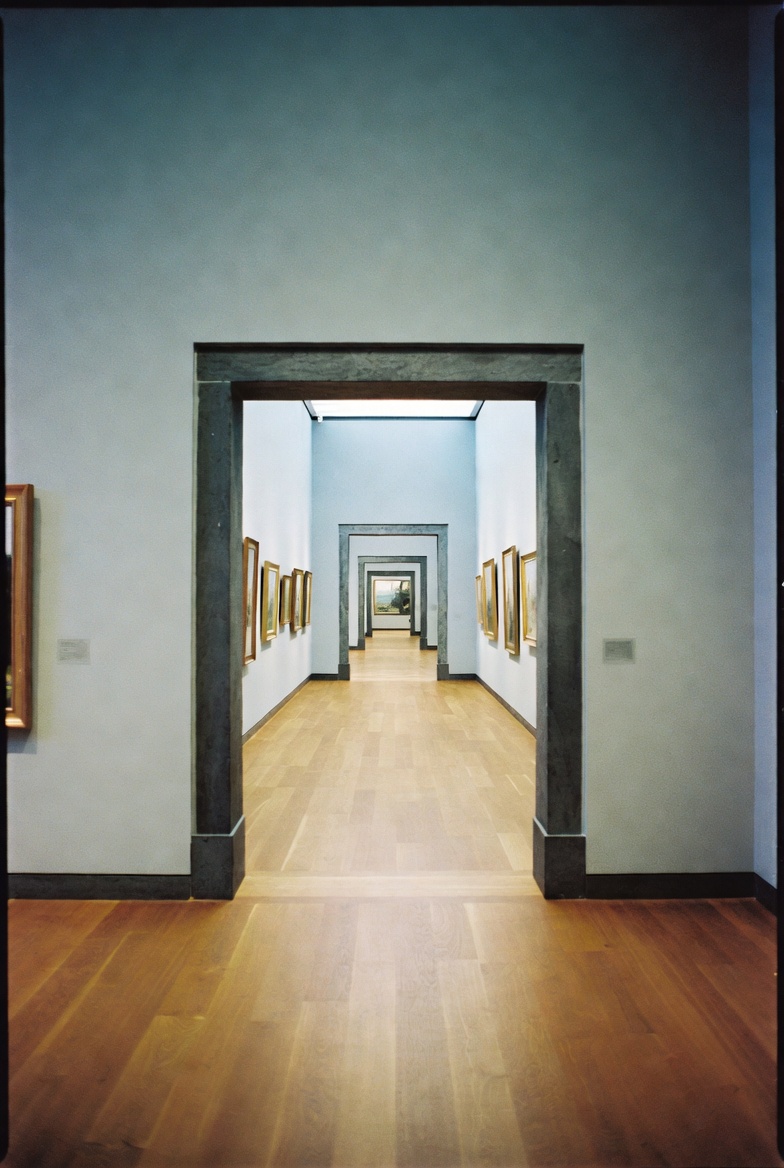
The collection of Scandinavian Fjord runs to roughly 400,000 objects across eight curatorial departments. Around 6,500 are on permanent view in 86 rooms — the rest rotate, travel, or wait their turn in the deep storage on level minus-one.

No. 01

Old Masters.


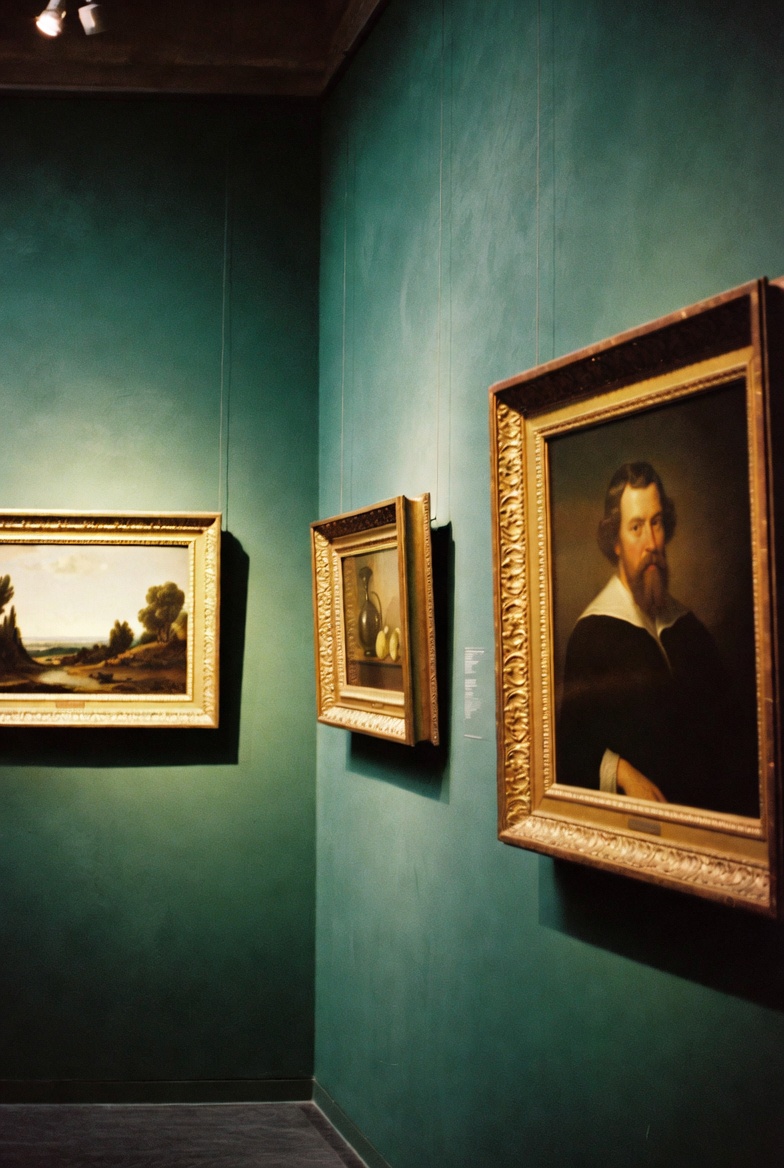
European painting from the late Middle Ages through the eighteenth century. The room sequence opens with northern altarpieces and devotional panels, moves through Lucas Cranach the Elder and a handful of strong Italian works, and closes with the Dutch and Flemish seventeenth century — landscape, still life, the careful domestic interior.

The highlights are intimate rather than encyclopaedic. El Greco's St Peter Repentant. Cranach's Salome. A small, fierce Goya from the late series. Not many — but each one chosen.

Galleries12–17
Period1300–1800
Works on view~120
No. 02

The Norwegian nineteenth century.


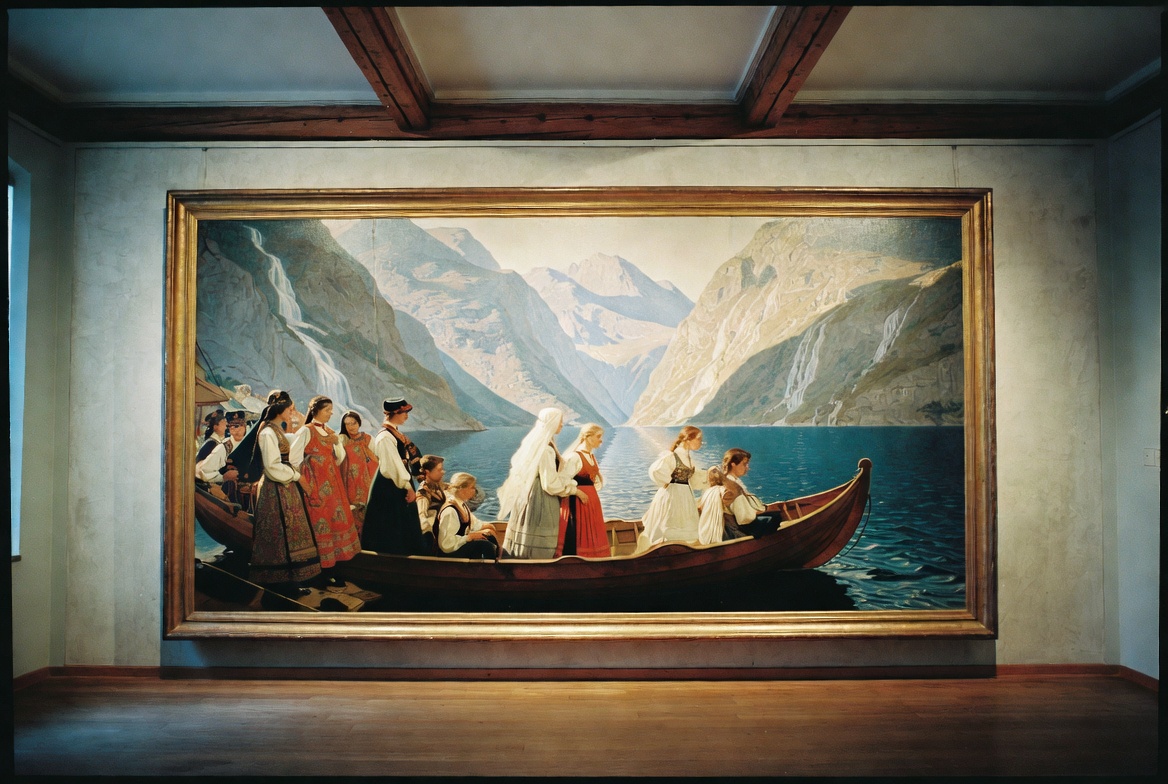
The galleries that taught Norway how to see itself. J.C. Dahl's Stalheim and the Vøringsfossen — the country's first great landscape painter, working from Dresden. The Bridal Procession in Hardanger by Tidemand and Gude, the picture every Norwegian schoolchild has seen reproduced. Erik Werenskiold's portraits, Harriet Backer's interiors lit by a single lamp.

This is also the room where Edvard Munch first appears — though his most-known canvases live a few doors further, in the Munch Hall.

Galleries18–32
Period1814–1900
Works on view~280
No. 03

The Munch Hall.


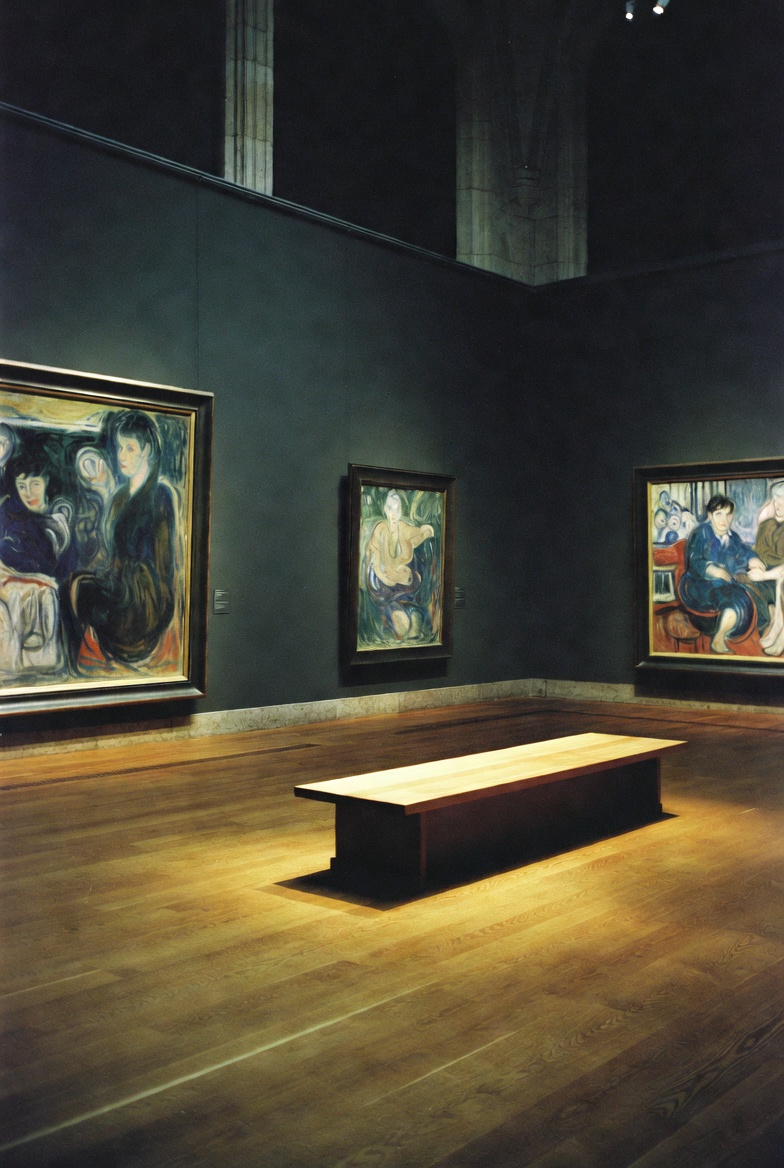
Room 60 — a single dedicated chamber for Edvard Munch. The painted Scream of 1893, kept here under controlled light. Madonna. The Sick Child. The Dance of Life. A rotating selection of the artist's prints and drawings, drawn from the museum's deep holdings of works on paper.

The room is included in the standard ticket. There is no separate queue, no extra charge — but the lighting is dim and the crowds are real. Best in the first hour after opening, or the last hour before close.

Gallery60
Works~18 paintings
No. 04

Modern art, international.


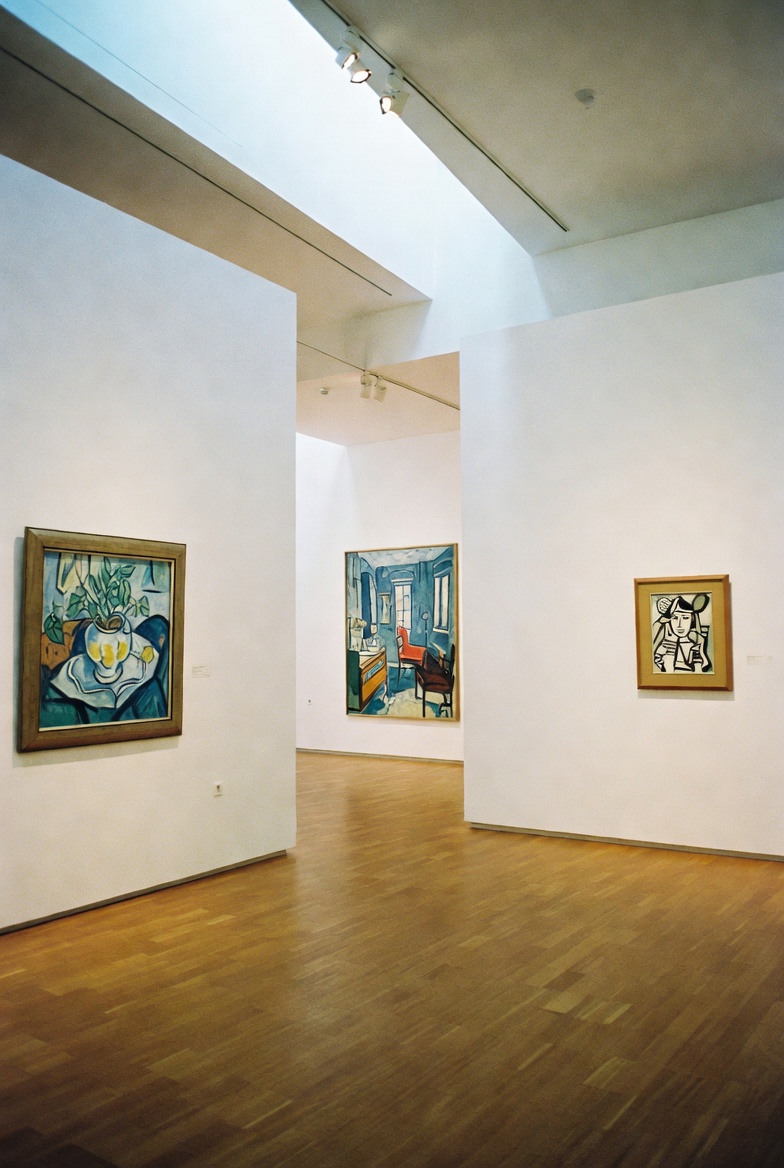
The early twentieth century, mostly Parisian. A small but well-chosen selection of Cézanne, Manet, Monet and Degas leads into Picasso, Matisse, and the Norwegians who studied in their orbit. Modernism's arrival in Oslo, told in roughly two dozen rooms.

Galleries36–46
Period1900–1945
No. 05

Contemporary art.


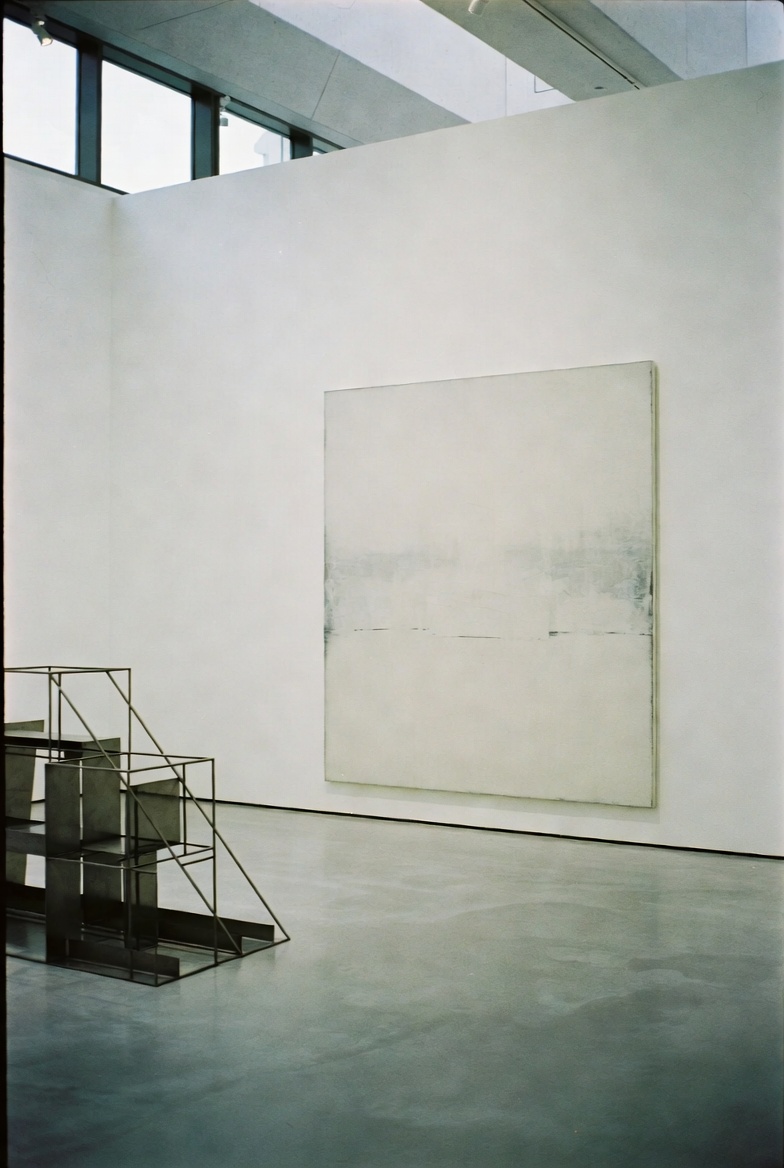
The collection of the former Museet for samtidskunst — Norwegian and international art from 1945 to the present. A particular strength in Nordic conceptualism and video, alongside major individual works by international names. Rotating frequently.

Galleries61–75
Period1945–present
No. 06

Design and decorative arts.


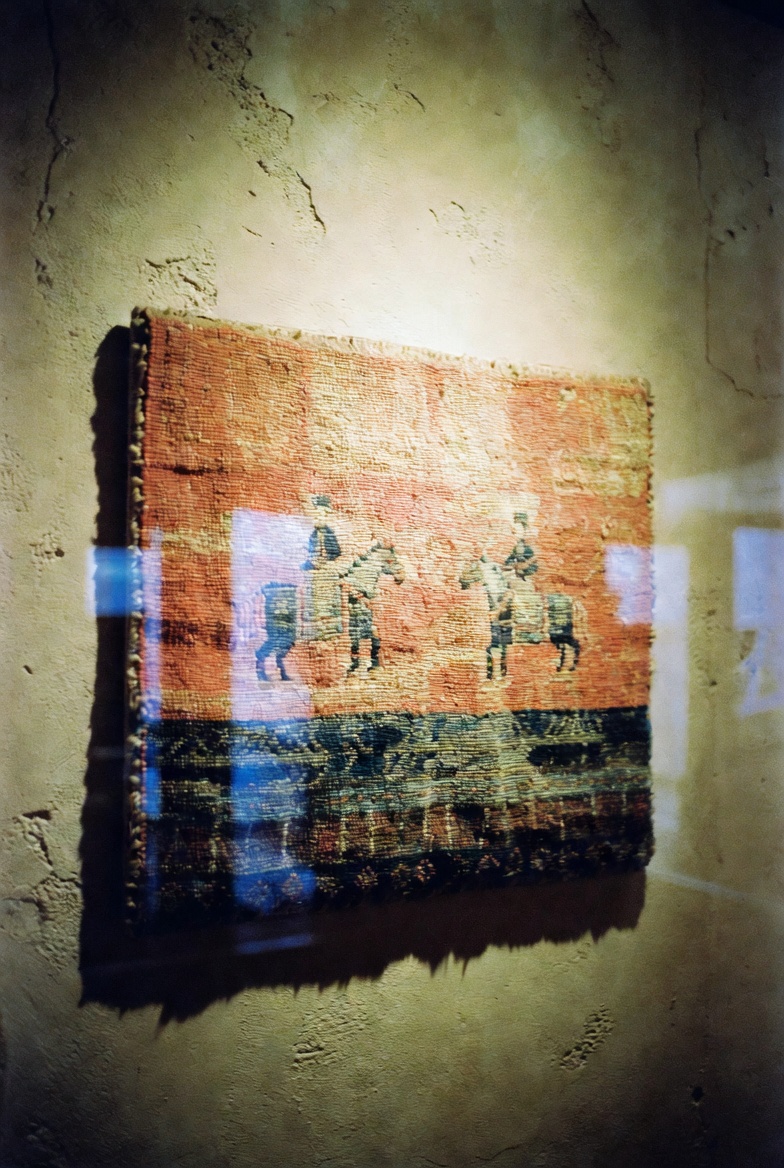
The full sweep of made objects: medieval ecclesiastical silver, the famous twelfth-century Baldishol Tapestry, eighteenth-century glass, rosemaling chests, Norwegian Modern furniture from Tønneråker and Bratrud, and a fashion department that runs from court costume to contemporary couture.

Galleries47–58
Anchor workBaldishol, c. 1180
No. 07

Architecture.


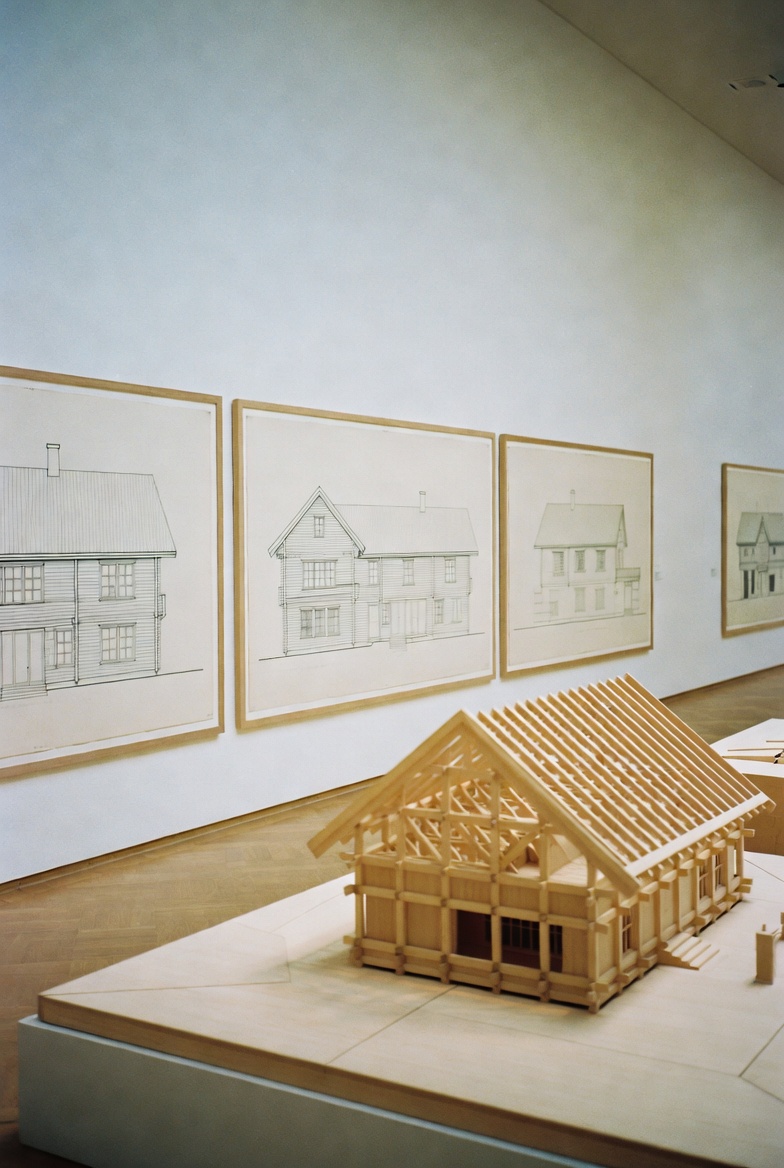
Drawings, scale models and photography that trace Norwegian building from the National Romantic period to today. Sverre Fehn's archive, Wenche Selmer's domestic work, the post-war reconstruction of Finnmark, and a thread of contemporary practice.

Held since2005
Drawings~500,000
No. 08

Photography and works on paper.


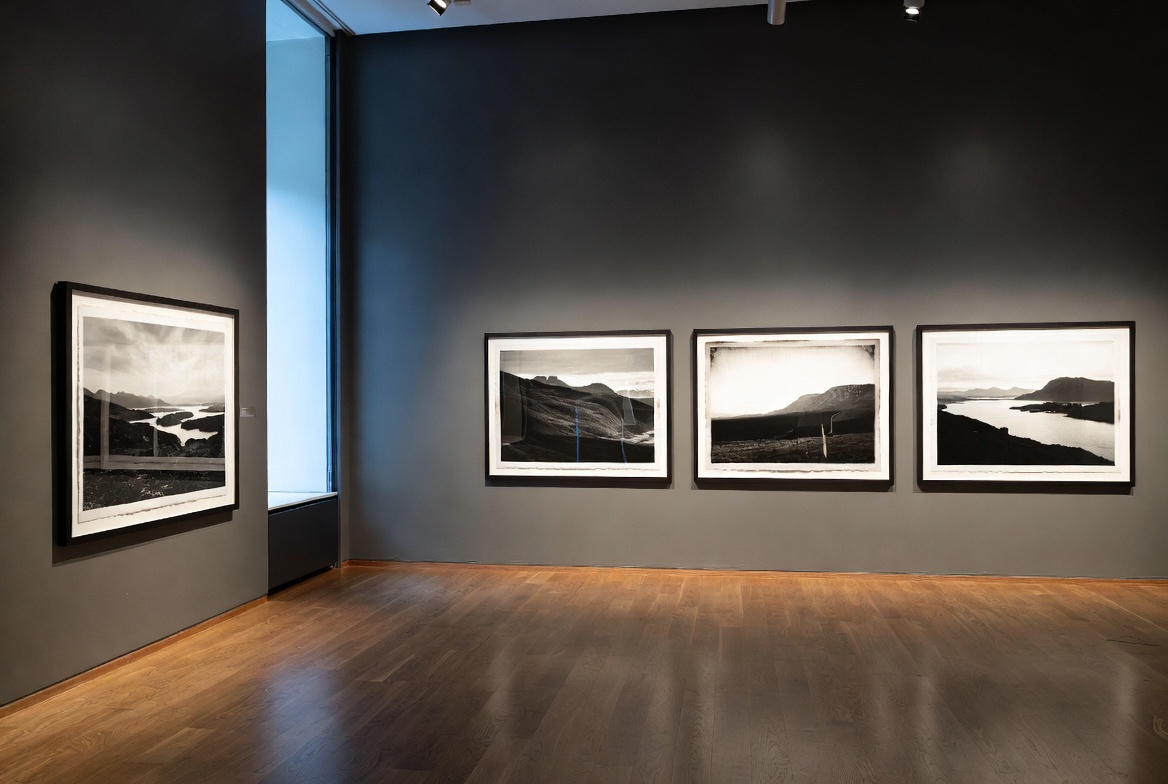
The print and drawing rooms — light-sensitive holdings shown in rotation. Norwegian photographic history from the 1840s, plus a dedicated drawings cabinet that includes some of Munch's finest sheets and a strong international print collection from Dürer onward.

FormatRotating
Holdings~50,000 sheets
Practical

A note on the route.


The galleries are numbered 1–86 across two main exhibition floors. Most visitors take three to four hours to walk the full sequence. If you have less time: head straight to Room 60 (Munch), then loop back through 18–32 for the nineteenth-century Norwegians. If you have more: the Light Hall on the top floor holds the temporary exhibition, often the most adventurous thing in the building.

Munch Hall guide →   About the building →   Hours and admission →